
Urban Exercise: The Benefits of Dog Treadmills
For city dogs, a treadmill turns a small space and a busy schedule into a reliable daily workout: any weather, any time, at a pace you can measure. It works as an addition to walks and play, not a replacement.
Choosing a treadmill? Start with our dog treadmill buying guide (slatmill vs carpet mill vs motorized) and what a slatmill is.
Small breeds
Small dogs such as Chihuahuas and Toy Poodles still need regular activity. A treadmill gives them a calm, controlled place to move when city streets are busy, loud or unsafe, and it keeps the routine going in bad weather. Use a mill sized for a short stride and keep sessions short.
Medium breeds
Beagles, Border Collies and similar dogs have plenty of energy. A treadmill lets you add a structured session on days when a long walk is not possible, which helps keep boredom-driven behaviour down.
Large and working breeds
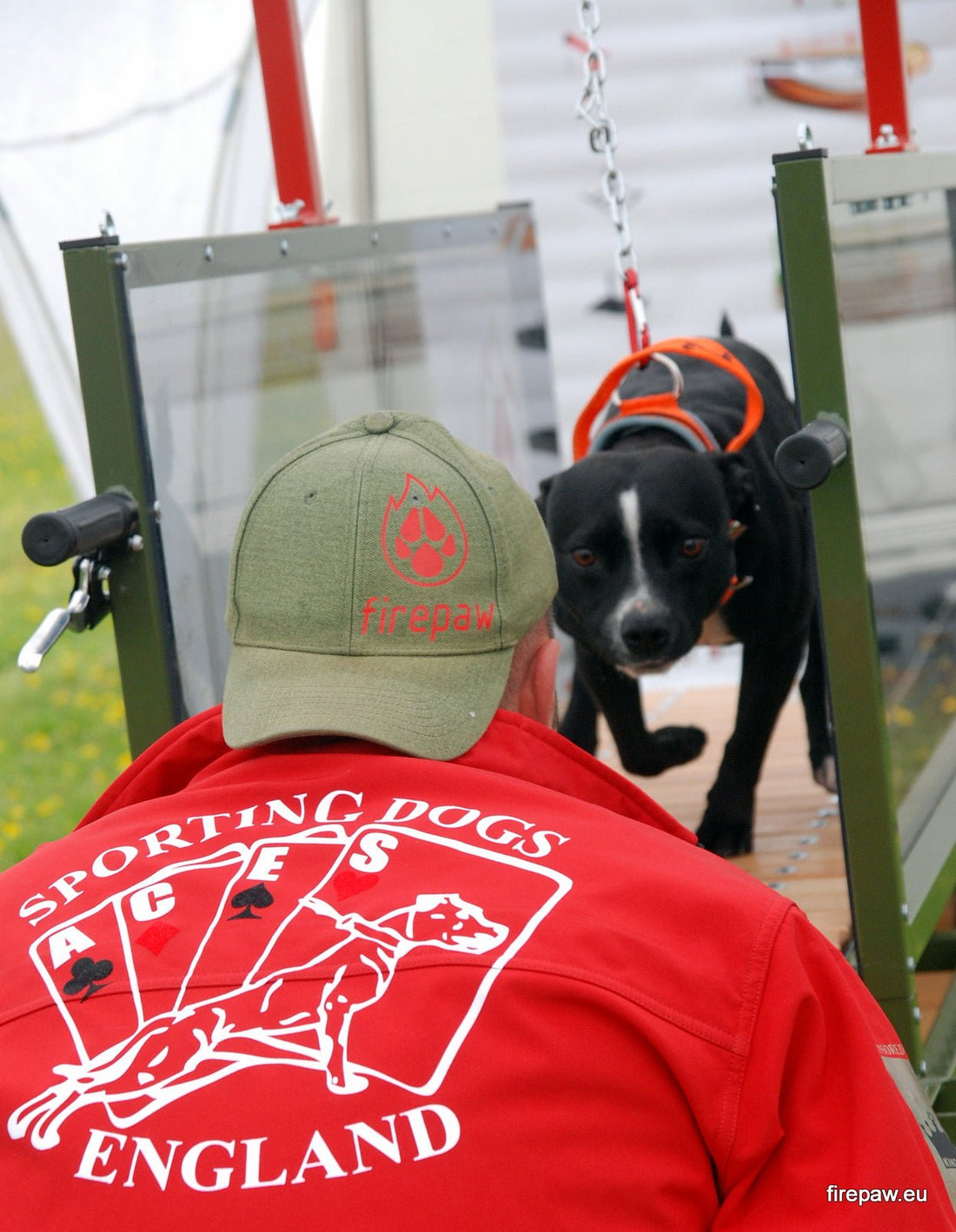
German Shepherds, Malinois, Rottweilers and bully breeds need real work. In a city, open space is rare. A dog-powered slatmill lets a large dog trot or sprint at its own pace indoors. For this group we sell the FirePaw Phoenix Gen 10 slatmill as an official FirePaw dealer.
Short-nosed and short-legged breeds
Bulldogs, Pugs, Dachshunds and similar dogs need extra care: short, easy sessions, cool rooms and plenty of breaks. Ask your vet before starting any treadmill routine, and stop if your dog struggles to breathe or slows down.
Getting started
- Let your dog sniff the treadmill while it is still.
- Reward a few calm steps at a slow pace or with the brake on.
- Keep the first sessions to 2–5 minutes and stay next to the mill.
- Add a minute at a time over the following weeks.
Conclusion
A treadmill is a practical tool for city dogs, but it complements walks, sniffing and play rather than replacing them. Read the dog treadmill buying guide before you buy, and ask your vet or a canine professional to help plan a routine for your dog.
Tags:
Previous
Pro Training: Reinforcement Schedules
Next
How to Choose the Right Sport Dog Collar: A Complete Guide
Related articles

Pro Training: Reinforcement Schedules
May 02 2024
Obedience Dog Training: Intermediate Level
May 02 2024